
Why Are Probiotics Important?
Probiotics are beneficial microorganisms that help maintain a healthy balance of bacteria in the digestive system. They can be obtained through fermented foods or high-quality probiotic supplements.
Research continues to show that gut health plays an important role in overall wellbeing. A balanced gut microbiome may support digestive health, immune function, metabolism, and healthy lifestyle goals.
Probiotics are widely recognized for supporting digestive balance, particularly during and after antibiotic use, when the natural balance of gut bacteria may be disrupted.
Studies also suggest that certain probiotic strains may help support digestive comfort and maintain a healthy gastrointestinal environment. They are commonly used as part of wellness routines aimed at supporting digestive and overall health.
Emerging research indicates that probiotics may also contribute to healthy weight management by supporting metabolic processes and promoting a balanced gut microbiome.
At Bioma Probiotics Health, we focus on science-informed probiotic solutions designed to support gut health and help individuals achieve their personal wellness goals.
Probiotics May Support Healthy Appetite Regulation
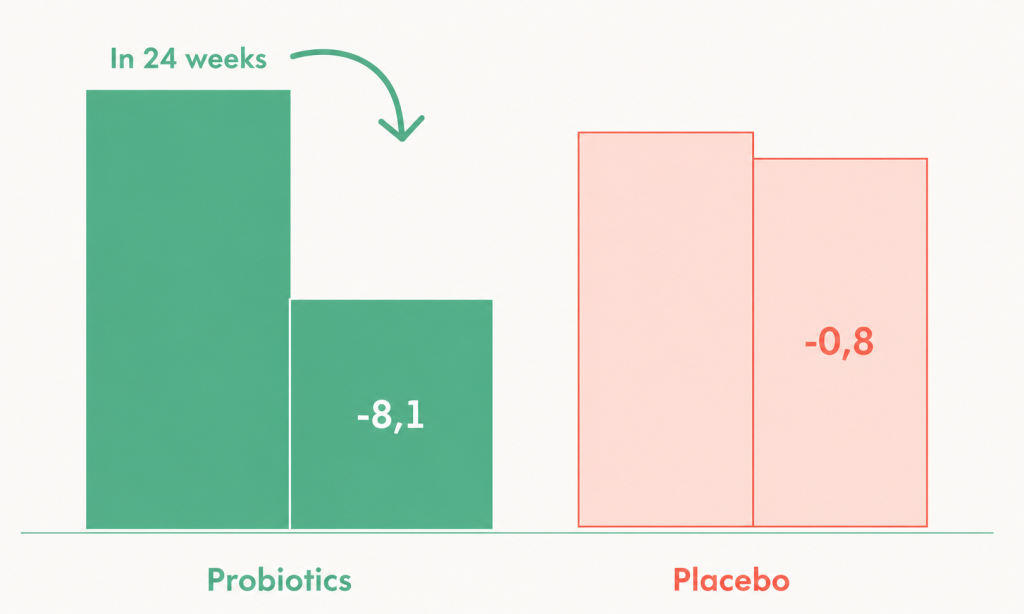
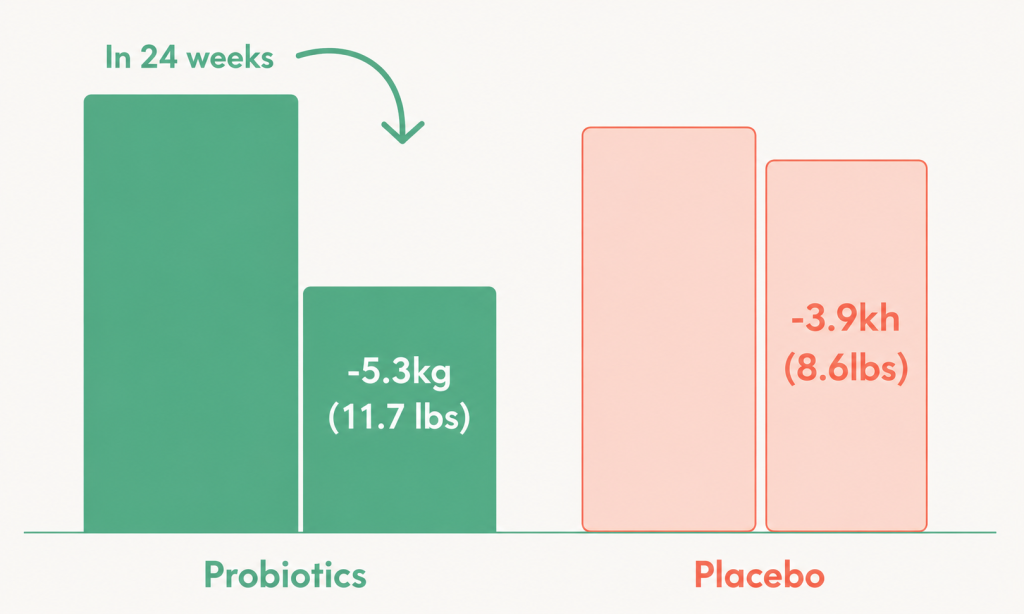
During the study, women who received the LPR probiotic supplement experienced greater reductions in both body weight and body fat compared to those who received a placebo. In Phase 1, the probiotic group showed significantly greater decreases in body weight and fat mass. These improvements became even more pronounced by the end of Phase 2, with participants in the probiotic group achieving greater overall reductions in body weight and body fat than those receiving the placebo treatment. These findings suggest that specific probiotic strains may help support healthy weight management and body composition when combined with a balanced lifestyle.
Lower Body Weight
Clinical research found that women who received the LPR probiotic supplement experienced greater reductions in body weight and body fat compared to those receiving a placebo. During the first phase of the study, participants taking the probiotic showed significantly greater decreases in both body weight and fat mass. These effects continued throughout the second phase, resulting in even greater reductions in overall body weight and body fat by the end of the 24-week study period. The findings suggest that specific probiotic strains may help support healthy weight management and improved body composition when combined with a healthy lifestyle.
Lower Fat Mass
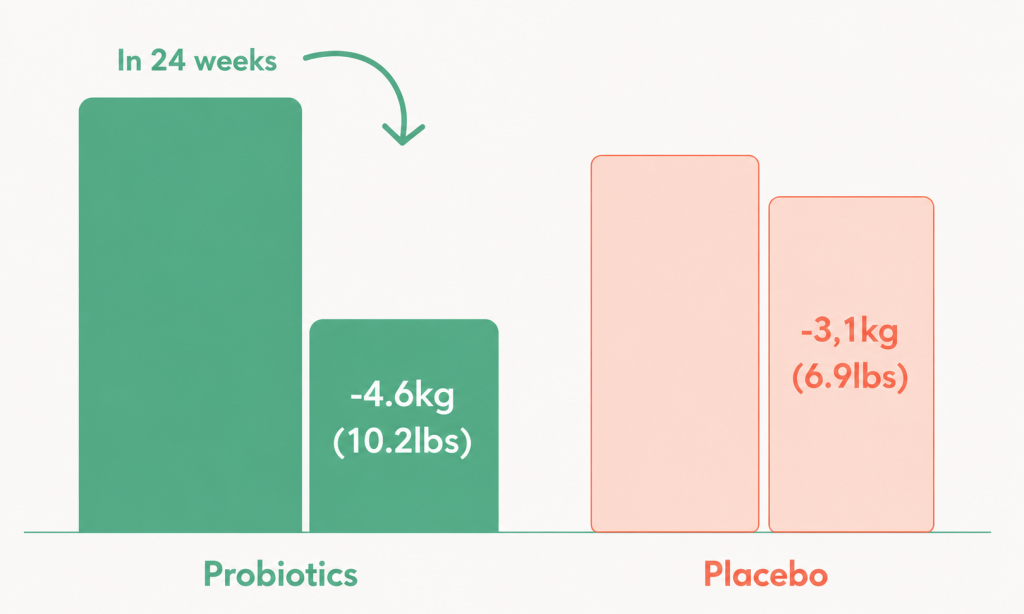
Clinical research found that women who received the LPR probiotic supplement experienced greater reductions in body fat compared to those who received a placebo. During the first phase of the study, participants taking the probiotic showed more significant decreases in fat mass. These improvements continued throughout the second phase, resulting in even greater reductions in body fat by the end of the 24-week study period. The findings suggest that specific probiotic strains may help support healthy body composition and fat management when combined with a balanced diet and healthy lifestyle.
Reduced Abdominal Fat
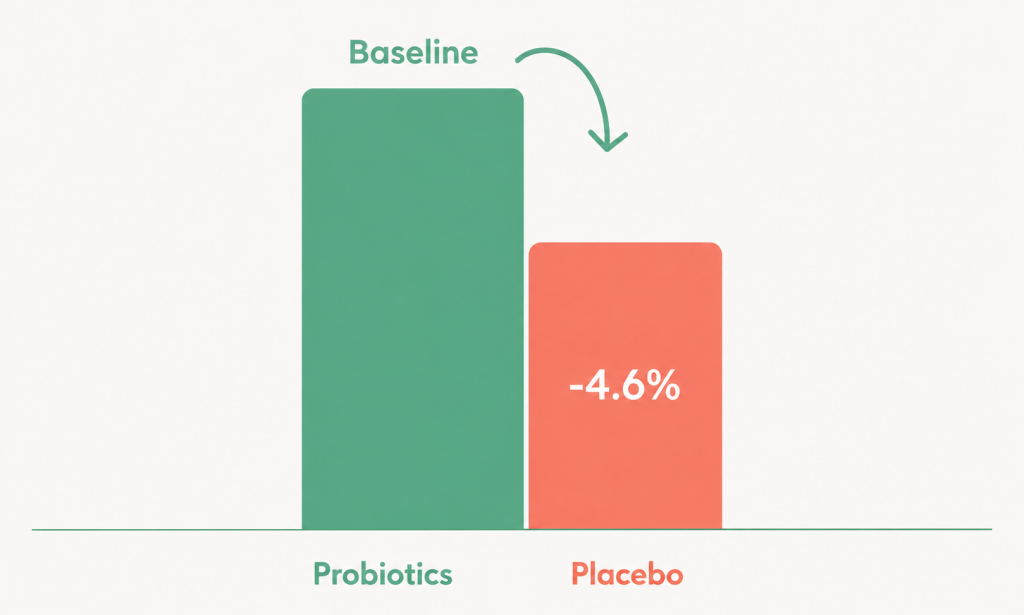
Clinical research has shown that probiotic supplementation may help support reductions in abdominal fat. In one study, participants who received the active probiotic treatment experienced significant decreases in both visceral fat (fat surrounding internal organs) and subcutaneous fat (fat stored beneath the skin). Participants also showed reductions in body weight, BMI, waist circumference, and hip circumference. In comparison, the control group did not experience significant changes in these measurements. These findings suggest that certain probiotic strains may help support healthy body composition and abdominal fat management as part of a healthy lifestyle.
A study found that synbiotic supplementation boosted the presence of gut bacteria linked to positive health outcomes, particularly Bifidobacterium and Lactobacillus. It also seemed to enhance gut microbiota diversity and raise the abundance of potentially beneficial microbial species.
Probiotic Bifidobacteria
Bifidobacteria are beneficial microorganisms naturally found in the human digestive system and are considered essential for maintaining gut health. Scientists have identified numerous species of Bifidobacteria, each believed to play unique roles in supporting overall wellbeing.
Although these beneficial bacteria represent a relatively small portion of the adult gut microbiome, they perform several important functions. One of their primary roles is helping break down dietary fiber and complex carbohydrates that the body cannot digest on its own.
During this process, Bifidobacteria produce beneficial compounds called short-chain fatty acids (SCFAs), which support digestive health and may contribute to healthy metabolic function and appetite regulation. They also help produce important nutrients, including certain B vitamins and beneficial fatty acids.
Because of their important role in maintaining gut balance, Bifidobacteria are commonly used in probiotic supplements and functional foods. Research has shown that lower levels of Bifidobacteria may be associated with various health conditions, including digestive disorders, metabolic conditions, and immune-related concerns.
Studies have explored the potential benefits of Bifidobacteria supplementation in supporting digestive comfort, gut microbiome balance, and overall wellness. Research also suggests that certain strains may help support healthy cholesterol levels, metabolic health, inflammatory balance, and emotional wellbeing as part of a healthy lifestyle.
At Bioma Probiotics Health, we recognize the important role of Bifidobacteria in maintaining digestive health and supporting overall wellness through science-informed probiotic solutions.
Prebiotic Xylooligosaccharides (XOS)
Prebiotics are naturally occurring dietary fibers that help nourish beneficial bacteria in the gut. Unlike probiotics, which introduce live microorganisms, prebiotics serve as a food source that supports the growth and activity of existing beneficial bacteria.
Xylooligosaccharides (XOS) are a specialized type of prebiotic composed of xylose sugar molecules. Found naturally in sources such as fruits, vegetables, honey, milk, and bamboo shoots, XOS have gained attention for their ability to selectively support beneficial gut bacteria, particularly Bifidobacteria and Lactobacilli.
Research suggests that XOS can effectively increase populations of beneficial bacteria while requiring lower doses than many traditional prebiotics. This may help reduce digestive discomfort, such as bloating and gas, that can sometimes occur with higher-dose fiber supplements.
Studies have also explored the potential role of XOS in supporting:
- Healthy gut microbiome balance
- Digestive comfort and regularity
- Healthy blood sugar levels already within the normal range
- Healthy lipid metabolism
- Production of beneficial short-chain fatty acids (SCFAs)
- Overall digestive and metabolic wellness
Research has shown that supplementation with XOS may significantly increase levels of Bifidobacteria without causing notable adverse effects. Their selective action on beneficial bacteria may also contribute to maintaining a healthy inflammatory balance and supporting gut barrier function.
Emerging evidence further suggests that supporting healthy Bifidobacteria populations through prebiotics such as XOS may play a role in maintaining healthy body composition and supporting overall metabolic health.
At Bioma Probiotics Health, we recognize the importance of combining probiotics with targeted prebiotics like Xylooligosaccharides to help nourish beneficial gut bacteria and support long-term digestive wellness.
Postbiotic – Tributyrin
Tributyrin is an advanced form of butyrate designed to support digestive and overall health. Unlike traditional sodium butyrate supplements, tributyrin is formulated to deliver butyrate more effectively throughout the digestive system, including the small intestine and colon, where it can provide greater postbiotic support.
Butyrate is a short-chain fatty acid naturally produced when beneficial gut bacteria ferment dietary fiber. It serves as a primary energy source for cells lining the colon and plays an important role in maintaining digestive health and gut barrier function.
Research suggests that tributyrin and butyrate may help support several aspects of wellbeing, including:
- Healthy digestive function and regularity
- Gut barrier integrity
- Nutrient absorption
- Immune system support
- Metabolic health
- Healthy skin, brain, heart, and muscle function
- Healthy weight management goals
Scientific studies have shown that butyrate may help support a balanced inflammatory response and promote a healthy gut environment. Lower levels of butyrate have been associated with certain digestive and metabolic health concerns.
Research has also explored the role of butyrate in supporting individuals with digestive conditions by helping maintain intestinal health and promoting digestive comfort. In addition, emerging evidence suggests that butyrate may contribute to healthy blood sugar regulation and metabolic function.
At Bioma Probiotics Health, we recognize the importance of postbiotics such as Tributyrin in supporting gut health by helping deliver beneficial compounds directly to the digestive system, complementing the effects of probiotics and prebiotics for a comprehensive approach to wellness.
Sources of information
1. https://pubmed.ncbi.nlm.nih.gov/31434172
2. https://pubmed.ncbi.nlm.nih.gov/30468509/
3. https://pubmed.ncbi.nlm.nih.gov/31368544/
4. https://pubmed.ncbi.nlm.nih.gov/32409589/
5. https://pubmed.ncbi.nlm.nih.gov/31039287/
6. https://pubmed.ncbi.nlm.nih.gov/31517810/
7. https://www.ncbi.nlm.nih.gov/pubmed/25793197
8. https://pubmed.ncbi.nlm.nih.gov/31480656/
9. https://pubmed.ncbi.nlm.nih.gov/34684633/
10. https://www.ncbi.nlm.nih.gov/pubmed/25884980
11. https://pubmed.ncbi.nlm.nih.gov/31952249/
12. https://www.ncbi.nlm.nih.gov/pubmed/25186128
13. https://www.ncbi.nlm.nih.gov/pubmed/27220822
14. https://www.ncbi.nlm.nih.gov/pmc/articles/PMC3705355/
15. https://www.ncbi.nlm.nih.gov/pmc/articles/PMC2903728/
16. https://www.ncbi.nlm.nih.gov/pmc/articles/PMC4756104/
17. https://www.ncbi.nlm.nih.gov/pmc/articles/PMC3735932/
18. https://www.ncbi.nlm.nih.gov/pmc/articles/PMC1797147/
19. https://www.ncbi.nlm.nih.gov/pubmed/12492934
20. https://www.ncbi.nlm.nih.gov/pubmed/19102766
21. https://www.ncbi.nlm.nih.gov/pmc/articles/PMC4448301/
22. https://www.ncbi.nlm.nih.gov/pubmed/24878320
23. https://www.ncbi.nlm.nih.gov/pubmed/16863564
24. https://www.ncbi.nlm.nih.gov/pubmed/23842110
25. https://www.ncbi.nlm.nih.gov/pubmed/15765388
26. https://www.ncbi.nlm.nih.gov/pubmed/27126957
27. https://www.ncbi.nlm.nih.gov/pubmed/21700013
28. https://www.ncbi.nlm.nih.gov/pubmed/28483500
29. https://pubmed.ncbi.nlm.nih.gov/24513849/
30. https://pubmed.ncbi.nlm.nih.gov/19001772/
31. https://pubmed.ncbi.nlm.nih.gov/16521705/
32. https://www.ncbi.nlm.nih.gov/pubmed/24513849
33. https://www.ncbi.nlm.nih.gov/pmc/articles/PMC5748811/
34. https://www.ncbi.nlm.nih.gov/pubmed/29294100
35. https://onlinelibrary.wiley.com/doi/full/10.1111/j.1541-4337.2010.00135.x
36. https://pubmed.ncbi.nlm.nih.gov/12480096/
37. https://academic.oup.com/jn/article/131/6/1839/4686813
38. https://www.ncbi.nlm.nih.gov/pmc/articles/PMC4027835/
39. https://pubmed.ncbi.nlm.nih.gov/24325907/
40. https://pubmed.ncbi.nlm.nih.gov/27346602/
41. https://www.ncbi.nlm.nih.gov/pmc/articles/PMC7192831/